July 8, 2026 · 10:00 AM MST
Sleep Environment Open House
Tour a model bedroom and learn practical solutions for light, sound, and temperature control.
Learn More
Your bedroom environment and daily habits form the foundation of consistent, restorative rest. Use this guide as a practical checklist.
Start with these evidence-informed basics before adding complexity.
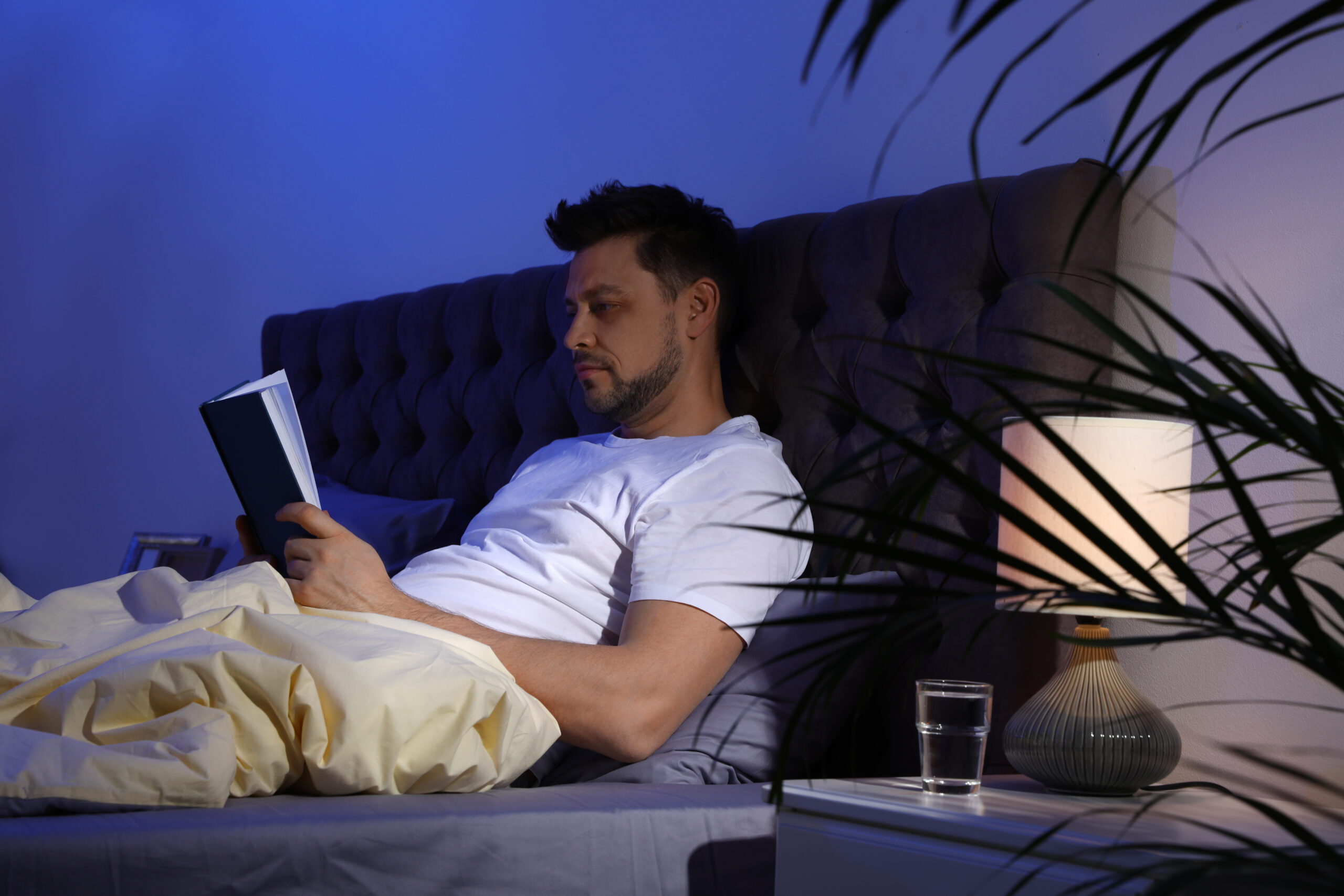
Light is the most powerful external cue for circadian timing. Even brief exposure to bright light during the night can shift melatonin suppression and make returning to sleep harder. Install blackout liners behind existing curtains for an affordable upgrade.
Replace cool-white LED bulbs in bedside lamps with bulbs rated 2700K or lower, or use dimmable amber bulbs after sunset. If you use a nightlight, position it low and choose red-spectrum options that minimally affect melatonin.
For those who wake during the night, avoid checking phones. The combination of light and cognitive engagement creates a stronger wake signal than either alone. A dim analog clock turned away from the bed prevents clock-watching anxiety.
Measure your room's baseline noise with a free decibel app. Persistent sounds above 30 dB may fragment sleep even if they do not fully wake you. Heavy curtains, draft stoppers, and repositioning furniture away from shared walls help.
Earplugs made from soft foam or moldable silicone work well for many side sleepers. Test different sizes — proper fit matters more than noise reduction rating. White noise machines with adjustable tone and volume let you find a masking frequency that fades from conscious awareness.
Your body needs to drop roughly one degree Fahrenheit to initiate sleep. Warm showers before bed assist this by raising skin temperature first, then accelerating heat loss afterward. Keep bedroom humidity between 40 and 60 percent for comfort.
Memory foam mattresses can retain heat; breathable toppers or gel-infused layers improve airflow. If partners prefer different temperatures, separate blankets often resolve conflict more easily than thermostat battles.
Get ten to thirty minutes of outdoor light within an hour of waking. This anchors circadian phase and builds sleep pressure for the following evening.
Regular physical activity deepens slow-wave sleep. Aim to finish vigorous exercise at least three hours before bedtime to allow core temperature to normalize.
Set a personal cutoff time and stick to it for two weeks before evaluating. Note sleep onset changes in a simple journal.
Enable night modes if you must use screens, but prioritize offline activities in the final hour. Charge devices outside the bedroom to reduce temptation.
Sleep hygiene addresses environmental and behavioral factors related to rest. If you apply these ideas consistently for several weeks without meaningful change, other factors — stress, schedule, or ongoing sleep concerns — may benefit from professional evaluation.
Keep a sleep diary noting bedtime, estimated time to fall asleep, number of awakenings, wake time, and daytime alertness. This record may be useful if you speak with a licensed clinician. Avoid drawing conclusions about your health from online content alone.
Remember that perfection is not the goal. Missing a checklist item occasionally will not undo progress. Consistency over weeks matters more than any single night.
Explore Evening Wellness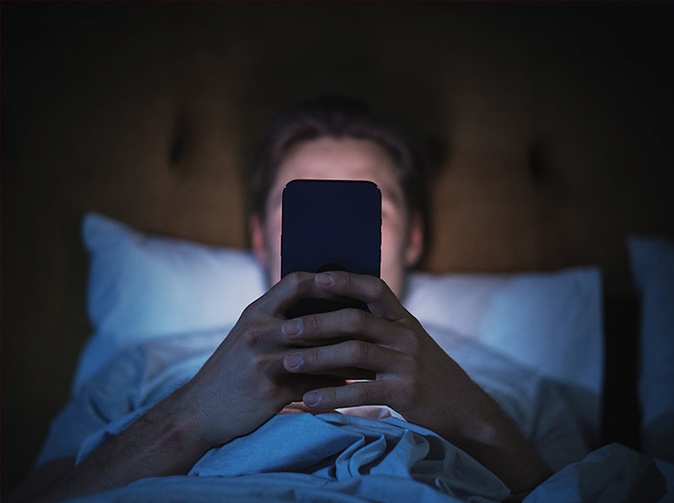
Loud snoring with breathing pauses, leg movements that disrupt rest, or persistent difficulty sleeping despite good hygiene may warrant consultation with a licensed clinician in your area.
Over-the-counter sleep products and melatonin supplements affect individuals differently. Discuss use with a healthcare provider, especially alongside other medications.
July 8, 2026 · 10:00 AM MST
Tour a model bedroom and learn practical solutions for light, sound, and temperature control.
Learn MoreJune 12, 2026 · 6:30 PM MST
Combine hygiene fundamentals with a guided pre-sleep routine.
Reserve a SpotNovember 2, 2026 · 7:00 PM MST
Bring photos of your setup for personalized environment suggestions.
Register InterestMost sleep research suggests 60°F to 67°F (15°C to 19°C). Individual comfort varies — start at 65°F and adjust by one degree every few nights while tracking how quickly you fall asleep.
Breathable natural fibers like cotton, linen, or bamboo wick moisture and reduce overheating. Choose a thread count that feels soft without trapping heat — often 300 to 400 for cotton percale.
If you are awake more than twenty minutes, leave the bed and do something quiet in dim light — reading, gentle stretching — until sleepy. This prevents associating the bed with frustration and wakefulness.